Simplifying Your Journey: The Role of Vacation Planning
The process of vacation planning is a universal yet uniquely personal endeavor. For some, it’s a meticulously detailed spreadsheet outlining flights, accommodations, and daily itineraries. For others, it’s a loose collection of ideas and a hopeful glance at a calendar. Fundamentally, it’s the bridge between a desire for escape and the reality of a memorable trip. It encompasses everything from initial dreaming and budgeting to booking logistics and crafting the experience itself. This planning phase is where anticipation builds, and where the success of the actual holiday is often secured.
Why Vacation Planning Matters to Diverse Audiences
The importance of organized vacation planning isn’t monolithic; it shifts dramatically based on who is doing the planning and why. A solo backpacker prioritizes flexibility and low cost, while a family organizer focuses on safety, ease, and engaging activities for all ages. A marketer planning a team retreat weighs logistical reliability and budget presentation, whereas a couple celebrating an anniversary might prioritize unique experiences and seamless luxury. The core need—to arrange a break from routine—is constant, but the execution and priorities branch into countless paths.
Tools and Visuals in the Planning Process
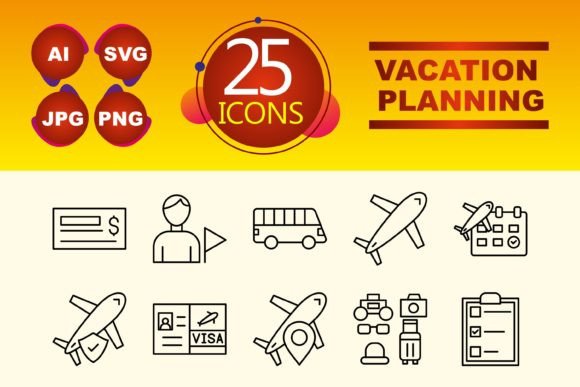
In our digital age, planning is facilitated by tools, apps, websites, and templates. Visual elements, like icons, play a subtle but significant role in this ecosystem. Clear, intuitive symbols for concepts like “booking,” “calendar,” “map,” or “budget” can streamline user interfaces, making apps and websites easier to navigate. They aid in creating quick-reference infographics for trip itineraries or help design engaging presentation slides for sharing plans with friends or colleagues. For instance, a set of Vacation Planning icons—available in versatile line styles and file formats like SVG and PNG—can be a practical asset for anyone creating a planning-related resource.
Practical Perspectives: How Different People Approach Planning
Let’s consider how varied approaches to vacation planning manifest in real scenarios.
A beginner, perhaps planning their first independent trip, might value simplicity and guidance. They might use a website template with clear icons to visually track steps: “choose destination,” “book flight,” “find hotel.” Their priority is ease of use and learning value, avoiding overwhelm. Reliability of information is paramount.
An experienced traveler or professional, like a travel blogger or freelancer, often plans with speed and efficiency. They might reuse trusted systems and templates. For them, the quality and flexibility of their planning tools matter. They might integrate visual assets like line icons into their blog posts or social media content to illustrate tips, seeking both creative appeal and long-term usefulness in their toolkit.
Creators and entrepreneurs, such as a small business owner running a tour company or a developer building a travel app, evaluate vacation planning from a commercial and functional angle. They need assets that are clear, professional, and legally usable in their products. A set of well-designed icons in multiple formats (AI, SVG, JPG) offers flexibility for both web design and printed marketing materials, supporting branding and user experience.
Educators and publishers might approach vacation planning as a topic to teach or document. They could use planning concepts and visuals in lesson plans, articles, or guides to explain organizational skills or cultural geography. Here, the clarity and educational value of the materials—like simple icons in presentations—enhance comprehension.
Finally, the consumer or hobbyist planning a personal vacation might prioritize a mix of cost-effectiveness and creativity. They enjoy the process itself, using digital scrapbooks, shared online planners, or custom maps. They appreciate tools that are affordable, fun to use, and help craft a trip that feels uniquely theirs.
Identifying What Matters for Your Project
When evaluating any resource, including visual assets for vacation planning, it’s helpful to align it with your specific goals. Ask yourself: Is my primary need speed—getting a plan done quickly? Is it presentation—creating a beautiful itinerary to share? Is it commercial value—using these elements in a product I sell? Or is it learning—understanding the planning process better?
For a quick family plan, ease and reliability are key. For a designer building a travel app template, the quality, format versatility (like scalable SVG), and style coherence of icons are critical. A hobbyist might seek creative flexibility to personalize their plans. The same set of ten line icons can serve these different needs if it matches the user’s priority. The formats offered—from editable AI files for professionals to ready-to-use PNGs for bloggers—determine its suitability for different skill levels and project types.
Moving from Planning to Experience
Ultimately, vacation planning is a means to an end: the trip itself. Good planning reduces pre-trip anxiety, manages budgets, and ensures that the time away is spent enjoying, not stressing. Whether you’re a meticulous planner or a spontaneous adventurer, having a framework—be it a sophisticated app or a simple handwritten list—provides a foundation. The tools and visuals you choose should feel like helpers, not hurdles, adapting to your style and purpose.
If you’re creating content, building a service, or simply organizing your next getaway, consider how the elements you use support that journey. Clear visuals can communicate steps efficiently; versatile file formats ensure the assets work wherever you need them. Your approach to vacation planning should reflect your own identity as a traveler, a creator, a professional, or a learner, transforming the logistical task into a part of the adventure itself.